Start with protein in every meal: As protein helps you feel full for a longer period of time. Good sources of protein include chicken breast, lean minced meat, eggs, tuna, salmon, Greek yogurt, and cottage cheese. If your meal has enough protein, you are more likely to snack between meals.
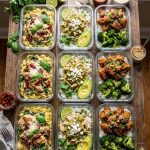
Don’t make eating healthy too complicated: What I mean by this is to maintain a healthy diet, it doesn’t mean it should be expensive or difficult. A simple plate with protein, vegetables, and a small amount of carbs can be enough.
Try choosing low-carb when possible: instead of always eating rice, potatoes, pasta, and bread. You can try to use lettuce wraps, cauliflower rice, konjac noodles, or simply extra vegetables.
Plan your meals before shopping; Not having a grocery list prepared can lead to buying snacks you dont need or unnecessary foods. So, to avoid that, prepare a grocery list beforehand. This saves money and reduces waste
Drink enough water: Many of us think we are hungry, but we are actually just thirsty. Drinking water during the day helps with energy. Keeping a water bottle with you at all times helps
Be careful when using sauces: yes, sauces make your food taste better, but most of them are actually filled with calories, sugar, and fat. You can always substitute them with Greek yogurt, mustard, lemon juice, salsa, and spices.
Don’t fully stop eating foods you like: Eating healthy does not mean you stop eating your favorite foods. Being too strict with yourself will ruin your mental health and make it harder to continue and easier to quit. It’s better to build balance by eating mostly nutritious meals while still allowing small sweet treats in moderation.
Use technology to track your food: Nutrition apps can always help with learning calories. You don’t need to track every day forever, but tracking for a short period can teach you about portion sizes and help you make smarter choices.
Focus on consistency, not perfection: One unhealthy meal does not mean your whole progress is ruined. What matters is what you do most of the time. If you eat well, drink water, and choose balanced meals regularly. Can build a healthier lifestyle without being overwhelmed.
Make healthy eating realistic for your lifestyle: As a student, you may not always have time to cook complicated meals. Choose meals that are quick, affordable, and easy to repeat.